Industry Solution
Best LMS for Media & Entertainment Training in 2026
Train creative teams, production crews, and content creators. Onboard freelancers, manage certifications, and deliver brand compliance training.
Last Updated: September 2026
According to industry research from Deloitte's Media & Entertainment practice, media companies that implement structured onboarding and training programs report significantly faster ramp-up times for contract and freelance workers, along with fewer compliance and editorial standards violations.
The State of Training in media and entertainment
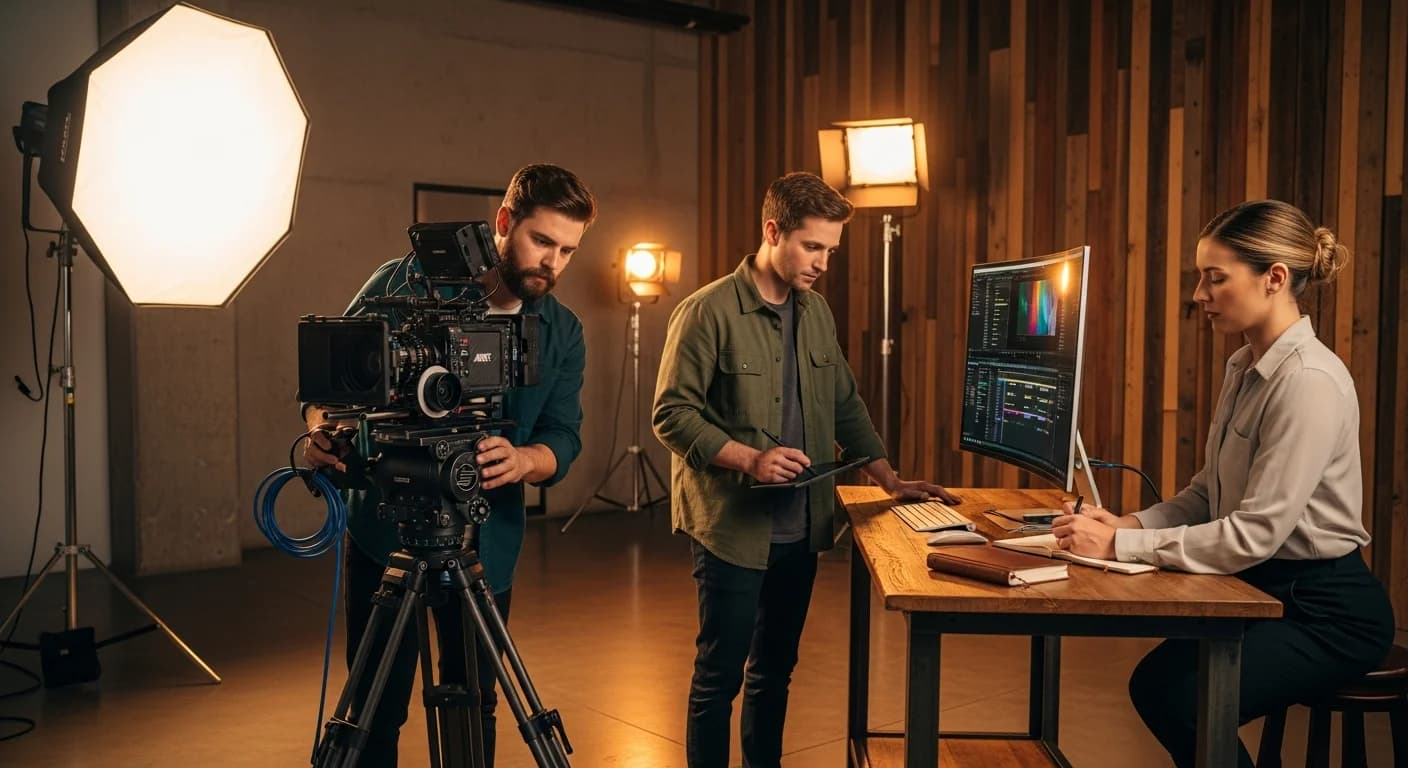
Media and entertainment training is shaped by the industry's unique workforce model — a blend of permanent staff, long-term contractors, and project-based freelancers who need rapid, repeated onboarding. The streaming wars have intensified production volumes, creating unprecedented demand for trained production crews and content creators. Brand safety and editorial standards training have become critical as companies manage content across dozens of platforms and markets simultaneously. The rise of AI-generated content has created new training needs around responsible AI use, content authenticity, and evolving copyright considerations. Production safety training has received renewed focus following high-profile on-set incidents, with studios implementing stricter certification requirements. The shift toward remote and hybrid production workflows requires training that is accessible from any location. Union and guild compliance adds another layer of complexity, with specific training requirements that vary by production type and jurisdiction. Creative tool training cycles continue to shorten as Adobe, Autodesk, and other vendors release major updates multiple times per year.
Key Industry Challenges
High Freelancer Turnover
Media relies on freelancers and contract workers who need quick onboarding for each project.
Creative Tool Training
Teams need training on constantly evolving creative software, production tools, and workflows.
Brand and Content Guidelines
Maintaining brand consistency across dozens of content creators requires standardized training.
Remote and Distributed Crews
Production crews work across locations and time zones — training must be accessible anywhere, on any device, without requiring an office visit.
Compliance Requirements
Must-Have LMS Features
A Day in the Life: Training with Arythmatic
Freelance video editor joining a streaming production
Maya is a freelance editor hired for a 3-month streaming series. On her first day, she opens Arythmatic on her laptop and begins the production onboarding track. She completes the studio's brand guidelines module with visual examples of approved and prohibited editing styles, passes the copyright and music licensing quiz, and finishes the harassment prevention training. The post-production supervisor checks the dashboard and confirms Maya has completed all required onboarding before granting her access to production media. During the project, Maya completes a new DaVinci Resolve color grading tutorial that the studio added to keep the editing team current on the latest workflow. When the production wraps, her training records remain in Arythmatic — so when the studio hires her for the next season, her compliance modules are already on file and she only needs to complete the updated project-specific briefing.
The Cost of Inadequate Training
Media and entertainment compliance failures carry significant financial and reputational consequences. Copyright and IP violations can result in statutory damages of $150,000 per work infringed, with major studios facing settlements in the tens of millions for unauthorized content use. Production safety failures have led to on-set injuries and fatalities, triggering OSHA investigations, criminal charges, and wrongful death lawsuits exceeding $10 million. Workplace harassment claims in entertainment average $200,000-$500,000 in settlements, with high-profile cases causing careers and productions to be canceled entirely. Brand safety violations — content that contradicts brand guidelines — can damage advertiser relationships worth millions in revenue. Union and guild compliance failures result in grievances, fines, and potential production shutdowns that cost $100,000-$500,000 per day in lost production time.
Why Arythmatic Is the Best Choice
LMS Buyer's Checklist
Use this checklist when evaluating LMS platforms for your organization.
Industry-Relevant Integrations
Frequently Asked Questions
What LMS works best for media and entertainment companies?
Media companies need an LMS with quick freelancer onboarding, video training, and brand compliance. Arythmatic's video-first platform with multi-tenant architecture is designed for distributed creative teams.
How do media companies train freelancers and contract workers?
The most effective approach is a self-paced onboarding track that covers brand guidelines, compliance requirements, and tool training — delivered via an LMS that freelancers can access on any device without needing an account setup meeting.
What compliance training do media companies need?
Media companies typically require copyright and IP awareness training, workplace harassment prevention, production safety certifications, data privacy training, and union or guild compliance courses — all of which can be managed and tracked in Arythmatic.
Can Arythmatic deliver creative software training for media teams?
Yes. Arythmatic's video-first platform is ideal for screen-recorded tutorials on creative tools like Adobe Creative Suite, Avid, DaVinci Resolve, and other production software. Training can be organized by skill level and department.
How does Arythmatic handle brand guidelines training for content creators?
Arythmatic lets media companies create interactive brand guideline courses with visual examples, do/don't comparisons, and assessments that verify content creators understand and can apply brand standards before producing content.
Can production crews access training on set or on location?
Yes. Arythmatic is fully mobile-responsive, allowing production crew members to complete safety certifications, brand training, and onboarding requirements from any device on set, on location, or remotely.
Does Arythmatic support project-based training assignments?
Arythmatic allows you to create project-specific training tracks and assign them to all crew members working on a particular production. This ensures everyone meets the project's specific compliance, safety, and brand requirements before work begins.
Continue your research
Concepts, buyer guides, and platform comparisons relevant to industry training.
Glossary
Learning Management System (LMS)
Glossary
Audit Trail
Glossary
SCORM (Sharable Content Object Reference Model)
Glossary
Learning Automation
Buyer guide
Best LMS for Compliance Training
Buyer guide
Best LMS for Employee Training
Buyer guide
Best LMS for Corporate Training
Buyer guide
Best LMS for Safety Training & OSHA Compliance
Compare
Docebo alternatives
Compare
TalentLMS alternatives
Compare
Absorb LMS alternatives
Compare
LearnUpon alternatives
Feature
Compliance Training Software — Automate Mandatory Training Programs
Feature
Course Builder — Create Professional Online Courses
Feature
LMS Single Sign-On (SSO) — Seamless Secure Authentication
Ready to transform training in your industry?
Start building your academy today — 14-day free trial, no credit card required